



"The individual has always had to struggle to keep from being overwhelmed by the tribe. If you try it, you will be lonely often, and sometimes frightened. But no price is too high to pay for the privilege of owning yourself."
Friedrich Nietzsche
“BETA, CAN YOU DO ONE THING FOR ME?”
“YES, MOM”
“I WANT TO EAT THAT FUDGE YOU ORDERED THE OTHER DAY”
“WHAT FUDGE?”
“AREY BETA, THAT FUDGE THAT HAS A DIFFERENT PACKAGING CLAIMING THAT ONLY SWEET IN THIS IS NATURAL SWEET OF DATES, REMEMBER”
“THEY ARE VERY TRUTHFUL ABOUT THEIR INGREDIENTS”
“OH GOT IT GOT IT — YOU MEAN ‘THE WHOLE TRUTH’ DOUBLE COCOA FUDGE, RIGHT?”
“YES, THAT”
“SURE MOM, HOW MUCH DO YOU WANT?
“WILL GET IT IN JUST 10 MINS”
“HOW?”
HEHE.
Morning iKyu-riskers! A lot can happen in 10 mins. The universe was created in just 1/600,000,000,000,000,000,000,000,000,000th of that time.
Imagine changing behaviour of 10s of millions of people in those 10 mins.
Imagine altering the decision making framework of the Indian Elites and bourgeois by just making them use an app. Yes. Just by a click, you can access their intellectual genome. How cool is that? How cool?
I find this concept dainty — companies morph into colloquial verbs. A signal that you made, talk of the town. Famous. (Paytm karo. Youtube karo. etc)
That’s what has happened in the Quick Commerce space of India.
THE (K)EY NOTES:
The (K)urrent: “THE WILD WILD WEST”The (K)réme: Last dance of “Z” without “A”The (K)inK: KILL KIRANA::VOLUME ONE
“Get anything delivered at your doorsteps, IN JUST 10 MINs” — This wasn't a one-off convenience but a daily ritual made possible by India's burgeoning quick commerce—or q-commerce—industry.
Companies are locked in a fierce battle to deliver groceries and essentials within 10-15 minutes, redefining consumer expectations and retail logistics in the world's second-most populous nation.
A dissonance play is being performed between Zepto, Zomato’s Blinkit, Swiggy’s Instamart, BigBasket’s BBNow, Dunzo and other major players.
But there’s one dungeon master of E-commerce missing. And why are they not competing with rapid delivery toddlers.
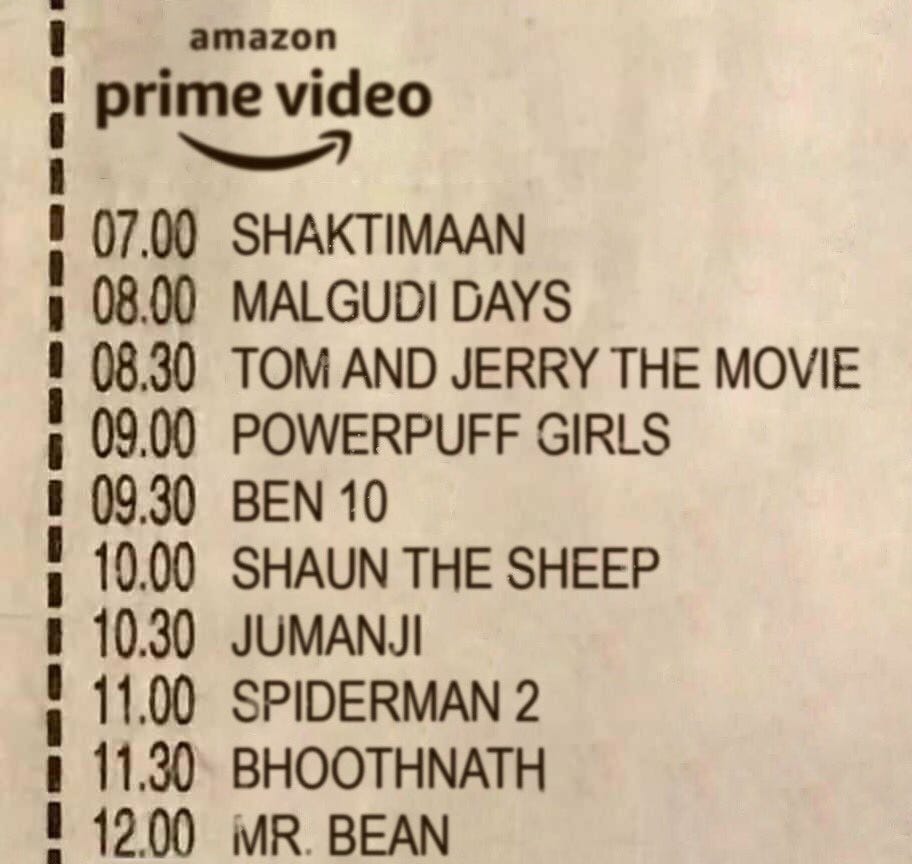
Let’s brutally🪓breakdown and find out the reason behind ‘them’ being last in the race in today’s edition of inK by iKyu
But before we deep dive, let’s start with “India by iKyu”…
THE (K)URRENT
THE WILD WILD WEST…
MODI USA VISIT
Prime Minister Modi's September 2024 U.S. visit was a masterclass in diplomatic theater, featuring the Quad Summit and a UN address. While he touted initiatives like the "Cancer Moonshot," the real agenda seemed to be cozying up to U.S. tech giants and sidestepping China's ire. His rhetoric on global peace was overshadowed by unspoken tensions regarding Sikh activism and unresolved diplomatic spats. Ultimately, this visit was less about substantive change and more about optics—an elaborate dance that leaves many questioning whether it will yield meaningful outcomes or just more empty promises.
TIRUPATI LADDU REPORT
The Tirupati laddu controversy is a shocking affront to Hindu sanctity, with allegations of beef tallow and fish oil tainting the sacred prasadam. This scandal not only undermines the purity of a revered offering but also poses a grave threat to Sanatan Dharma. The use of animal fats in religious contexts is an alarming trend that mocks Hindu values. Those exploiting secularism as a shield for such sacrilege must be warned: this is not just a culinary crisis; it's an existential threat to our culture and faith, demanding immediate accountability and reform.
“STRESS BUSTed-HER”; MOTHER PENS EMOTIONAL LETTER AFTER DAUGHTER’s SHOCKING DEATH…
The tragic death of 26-year-old Anna Perayil, an EY employee, allegedly due to work-related stress, is a grim reminder of India's shifting corporate landscape. While her mother’s heartfelt email to EY deserves condolences, it also highlights a toxic culture where overwork is glorified. This isn't just about one life lost; it's a warning signal for all of us. As we embrace a relentless hustle culture, the stakes are rising.
THE (K)REMÉ
THE LAST DANCE OF “Z” WITH “A”…
“We asked for flying cars, instead we got grocery delivered in 10 mins”
— Someone before Q-commerce was a thing.
At the heart of this 10-min delivery revolution are giants like Zomato, which acquired Blinkit (formerly Grofers) to strengthen its foothold, and Swiggy, pushing boundaries with Instamart. Not far behind are agile startups like Zepto and established players like BigBasket. Flipkart, India's homegrown e-commerce titan, has recently thrown its hat into the ring, intensifying the competition with Flipkart Minutes.
Amidst this frenzy, there’s a global e-commerce behemoth, finds itself TRAILING—a curious case of a giant stumbling in a market ripe for conquest…
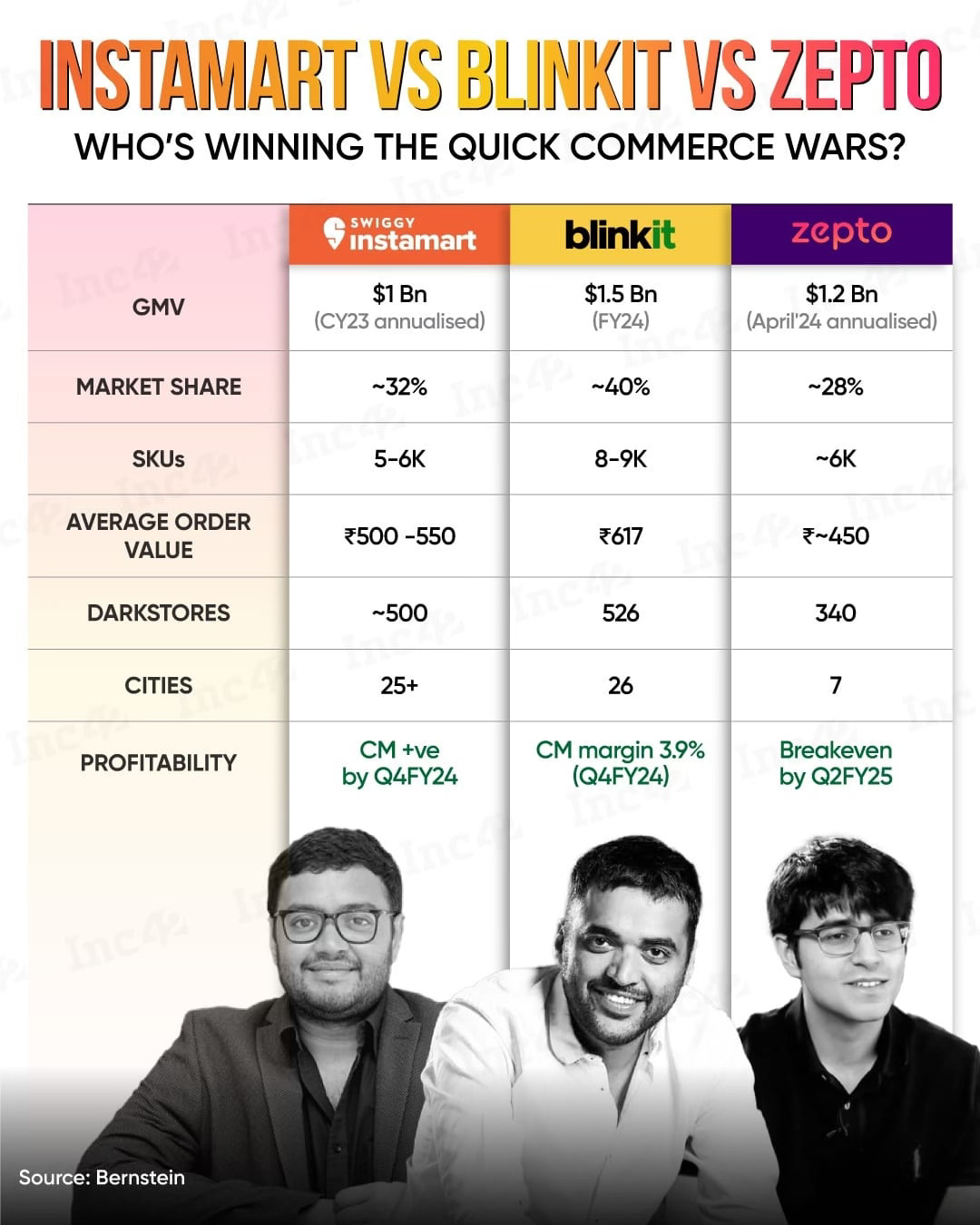
‘Z’ING IS KING
India's q-commerce market has exploded in the past few years. According to RedSeer Consulting, the sector is projected to reach $5 billion by 2025, up from a mere $300 million in 2021. This meteoric rise is fueled by an urban populace hungry for convenience and speed. "In India, time isn't just money; it's everything," says Albinder Dhindsa, co-founder and CEO of Blinkit. "We're not just delivering products; we're delivering moments back to people's lives."
Zomato's strategic acquisition of Blinkit in 2022 for approximately $570 million was more than a business deal—it was a statement of intent. With food delivery saturating, Zomato needed a new frontier. Blinkit's hyperlocal delivery network provided the perfect platform. Deepinder Goyal, Zomato's CEO, remarked, "Our mission is to eradicate hunger for time. With Blinkit, we're a step closer to making every Indian's life a tad bit easier."
Swiggy, not one to be overshadowed, aggressively scaled Instamart. Launched in 2020, Instamart quickly expanded to over 18 cities, boasting over a million orders per month by mid-2023. Sriharsha Majety, Swiggy's CEO, stated, "We're not in the business of just delivering groceries; we're in the business of delivering time and convenience."
Enter Zepto, a dark horse founded by two 19-year-olds, Aadit Palicha and Kaivalya Vohra. Dropping out of Stanford during the pandemic, they saw an opportunity in India's chaotic grocery sector. Zepto promised 10-minute deliveries, leveraging a network of 'dark stores'—small warehouses strategically located to optimize delivery times. In less than a year, Zepto raised over $360 million, reaching a valuation of $900 million by late 2022. "Speed is our religion," says Palicha. "But it's not just about being fast; it's about being reliable."
BigBasket, backed by the Tata Group, wasn't content watching from the sidelines. It launched BB Now, promising deliveries within 15-30 minutes in major cities. Harnessing its established supply chain and Tata's retail muscle, BigBasket aimed to combine variety with velocity. Hari Menon, BigBasket's CEO, noted, "We're marrying the depth of our inventory with the immediacy that today's consumer demands."
New rookie in this drag race is Flipkart — diving into the cutthroat quick-commerce arena with “Flipkart Minutes,” aiming to offer 10-15 minute deliveries. This belated move pits them against nimble competitors like Zepto, Blinkit, Swiggy Instamart, and BBNow, who have already entrenched themselves in this high-speed market. Flipkart’s traditional e-commerce logistics are ill-equipped for the brutal demands of ultra-fast delivery. Without a radical overhaul of their supply chain and massive capital infusion, this venture appears more reactive than strategic. In a domain where agility and immediacy are paramount, Flipkart’s sluggish entry raises serious questions about its ability to compete effectively.
