


A great ‘cult’ leader once said...
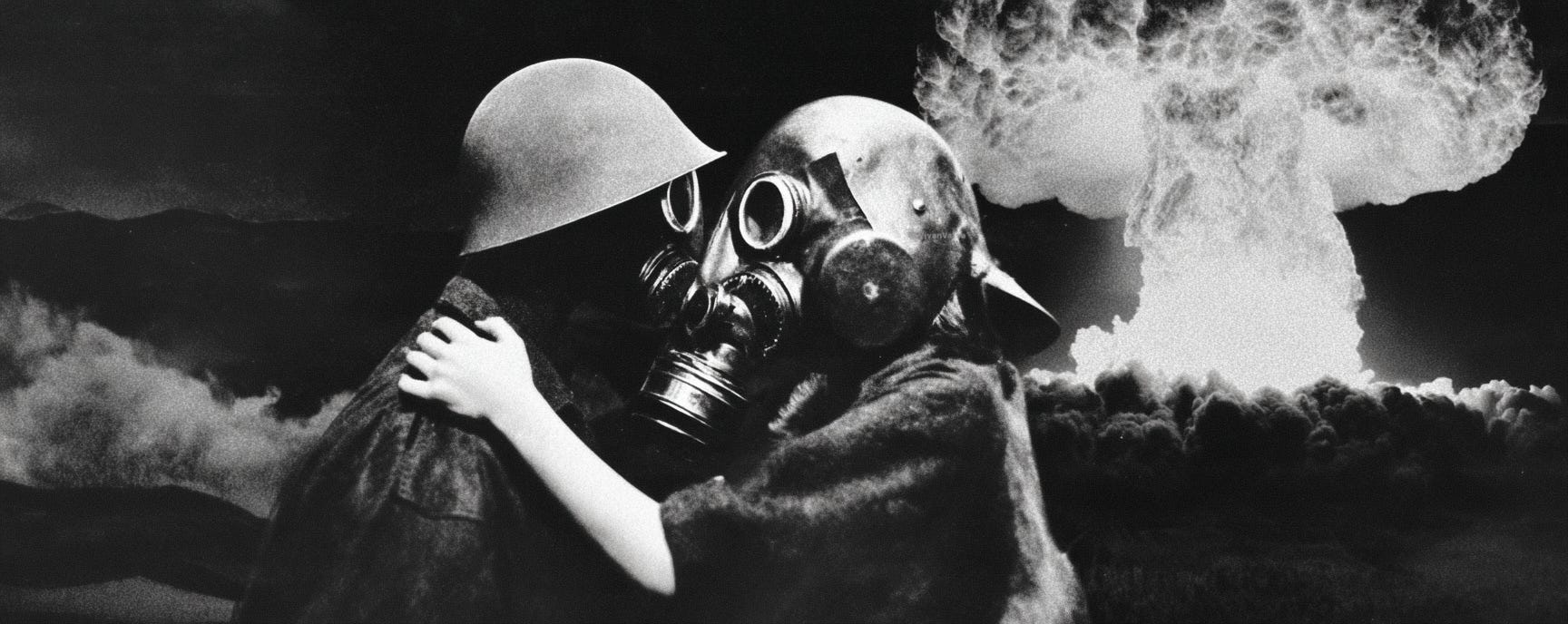
“Advertising has us chasing cars and clothes. Working jobs we hate so we can buy shit we don’t need. We’re the middle children of history, man. No purpose or place. We have no Great War. No Great Depression. Our great war is a spiritual war. Our great depression is our lives.”
...Our lives. But do we care?
India has a weak mind. No principles. No honour. No will to change.
Pain tolerance is all time low. Resistance is a relic of time, gone by.
What makes us indian...Indian, is dead. What are we left with?
Materialistic possessions? Is that what it means to be human? How shallow can one be? Is it by choice, or something is really sucking us in?
My question is this: how did we Indians became a slave of our own desires, found pleasures in materials, rather than looking within?
“Simplicity is not just visual style. It is not just minimalism or absence of clutter. It involves digging through depth of complexity. To be truly simple, you have to go really deep.”
- Steve Jobs
Minimalism is foreign object in any Indian’s life.
They cannot think their life without materialistic pleasures. What trauma do we Indians carry so much that we cannot detach ourselves from material world?
We, India, are preachers of spiritualism. It is taught that nothing is yours, so you cannot lose anything. Yet everyday we all are running behind things. To buy. To achieve. To desire what we do not want. It will not matter. But in moment, it feels like it does. That surge of want. That lust to buy something. That aspiration to have something in life. That is what makes India hate minimalism.
The idea that less things are more beautiful, an Indian brain cannot fathom. It’s funny. Majority of people here are like that. Some of you will take it as an insult. But can’t escape the brutal reality. Walk through any Indian home. Middle class, upper class, does not matter. What do you see? Accumulation.
Things on things. Furniture you never use. Clothes you never wear. Utensils you never cook with. Electronics gathering dust. Books never read. Decorations serving no purpose except filling space. And somewhere in all this clutter, a person trying to find peace. His efforts are in vain. Because they buried peace under material goods they thought would create it.
Sit back and analyze. Right from room you are in currently. You will find ten things you did not need but still have. Ever asked why? How did you become slave of your own desires in sense that to satisfy yourself, you were not enough and you had to purchase something? You found pleasure in materials. You found solace in something rather than looking within. You are trapped into this addiction with better marketing. We are addicted to acquisition. To possession. To having. And we justify this addiction by calling it aspiration, success, status, security. But strip away justifications and what remains? Compulsion to fill emptiness inside with objects outside. This never works. Has never worked. Will never work. But we keep trying because we cannot face alternative: that emptiness cannot be filled, only accepted.
Pleasure is game of power and proximities. Proximity to object creates desire. Distance reduces desire. But we engineered world where everything is proximate. Shopping is one click away. Delivery is same day. Payment is instant. We removed all friction between desire and fulfillment. We cultivated desire that never stops because fulfillment that never satisfies. Each purchase creates brief high followed by return to baseline dissatisfaction. So we purchase again. And again. And again. And we lost control somewhere midway. Reigns are no more with us.
When you must work for something, delayed gratification builds appreciation. When you can have anything instantly, nothing has value. Indian consumer class has access to instant gratification at scale never seen before. EMI makes expensive purchases accessible. Credit cards defer payment. We can have anything we want without earning it, without waiting for it, without even leaving house. And then you wonder how can ‘addiction be engineered’. Touch some grass my friend. We are addicted. Whole nation is addicted to having without being, to getting without giving, to consuming without creating.


Minimalism teaches you to control your relationship with pleasure. Not eliminate pleasure. Control it. Choose it consciously rather than being chosen by it compulsively. This is what differentiates human from animal.
Animal responds to every stimulus. Sees food, eats. Sees mate, mates. Sees shiny object, takes. Human has capacity to pause between stimulus and response. To ask: do I need this? Will this serve me? Or am I serving it? Most Indians never ask these questions. They see. They want. They buy. Isn’t this animal behavior with a credit card? This enslavement are impulses you mistake for choices. Weak minds.
Pleasure seeking is only for weak minds. That is India. Indians have weak mind. Not weak intellectually. Weak in discipline. Weak in control. Weak in ability to say no to self. We cannot delay gratification. We cannot tolerate discomfort. We cannot sit with emptiness without filling it immediately. Strong mind can want something and choose not to have it. Weak mind cannot tolerate gap between wanting and having. This is why we are biggest consumer market. This is why global corporations target us. They know we cannot resist. We are easy. We are predictable. We are addicted. And addiction is profitable.
The pursuit of materialistic pleasure has made us biggest consumerist class hoarders in world.
We are dumping ground. We are test subjects. We are ready to have anything and everything thrown at us. Corporations test products in India that would fail in developed markets because Indian consumers have no standards.
We buy because it is available. We consume because we can. We hoard because we fear scarcity that no longer exists. Our grandparents experienced real scarcity. Famines. Shortages. Poverty. They learned to save, to hoard, to never throw anything away because next meal was not guaranteed. Our inheritance is a decorated version of this psychology. We live in abundance but think like we live in scarcity. So we accumulate. And accumulate. And accumulate.
Is it trauma that British colonizers left in us that we became hoarders and ensued mentality that until and unless we do more than we can, only then society will accept us?
Possibly. Colonial rule taught Indians that they were inferior. That British were superior because they had things. Things became proxy for worth. After independence, having things became way to prove we were no longer inferior. We were as good as colonizers because we could have what they had. This is why Indian middle class obsesses over foreign brands. Why foreign-made is assumed better than Indian-made. Why displaying wealth is more important than building wealth. We are performing for ghost of colonizer who is no longer watching. We are proving worth to people who are dead. And we sacrifice our peace, our savings, our sanity to keep performing.
How did we become status-driven society?
I always wonder what is origin or source of this Big Bang in my country? Part is colonial trauma. Part is caste system where status determined survival. Lower caste could not own property, could not access resources, could not improve position. Status was fixed. So when caste restrictions weakened post-independence, those who could display status did so aggressively because for first time they could. This is understandable. But we are three generations past independence. How long will we use history as excuse for present behavior? At some point we must take responsibility for perpetuating system that no longer serves us.

Status-driven society is society where your worth is determined by what you have, not who you are. Where your car matters more than your character. Where your house size matters more than your household harmony. Where your child’s school matters more than your child’s happiness. This is inverted values. This is sickness we call normal. And we are all infected. We judge each other by possessions. We judge ourselves by possessions. We cannot see person behind pile of things they accumulated to hide behind.
Minimalism is process, not ideology. A minimalist is someone in practice. You have perception of simplicity and minimalists do not fit in that. It is long walk where you cultivate sense of intention in everything: love, life, business. Minimalism is not owning nothing. Minimalism is owning only what serves purpose, what adds value, what brings genuine satisfaction.
This requires brutal honesty. This requires asking of every possession: why do I have this? Most answers will be: I do not know. Someone gave it to me. I thought I needed it. It was on sale. I saw advertisement. None of these are good reasons. These are autopilot reasons. These are reasons of person being lived by culture rather than living intentionally.
Minimalism is cruel. It forces you to confront how much of your life is waste. How much energy you spend maintaining things that do not matter. How much space is occupied by objects you do not value. How much mental bandwidth is consumed by managing possessions. This confrontation is painful. Most people avoid it. Easier to keep accumulating. Easier to tell yourself you will organize later. Easier to buy bigger house to store more things than to question why you have so many things. But pain of confrontation is temporary. Pain of living surrounded by clutter is permanent. Choose your pain.
Minimalism is also superpower. Once you master it, you become unconquerable. Because you need nothing. You want little. You are satisfied with enough. This is freedom that money cannot buy. Rich person with pretentious expensive tastes is prisoner of those tastes. They must maintain income to maintain lifestyle. They cannot take risks because lifestyle depends on stability. They cannot pursue meaning because meaning does not pay bills that lifestyle requires. They are trapped.
Minimalist with simple needs is free. Income can drop and life continues. Career can change and nothing breaks. Risks can be taken because downside is manageable. This is what India should want. Instead we desire the opposite.
Bhagavad Gita teaches us about non-attachment. Do your duty without attachment to fruits. This is minimalism at philosophical level. Perform action without needing outcome to validate action. Live life without needing possessions to validate life. Be yourself without needing external markers to prove yourself.
We inverted our ancient values and now we think kings were powerful and sanyasis were poor. We measure power by possession. Our ancestors measured power by liberation from possession. Who was right? Look at stress levels, suicide rates, mental health crisis, divorce rates, family breakdown, social fragmentation. Our way is not working. Maybe ancestors knew something we forgot. Maybe.
Minimalism is way of life that India should adopt now or else consumerism is going to devour us, destroy us from within. This is my observation of trajectory.
Let’s zoom out and look around: Household debt is rising. Personal savings are falling. Credit card usage is exploding. EMI is normalizing purchase of things we cannot afford. We are living beyond means and calling it aspiration. This is not sustainable. This ends in personal bankruptcy scaled to millions of households. This ends in financial crisis. This ends in social breakdown when people realize they destroyed their peace chasing things that did not matter.
But will we choose prevention? F*ck nah.
Prevention requires discipline. We lack discipline. We will wait until crisis forces change. This is Indian way. React to disaster rather than prevent disaster. Then complain about disaster as if it was unforeseeable act of god rather than predictable consequence of choices we made. This victim mentality is becoming a cultural trait. We are not victims. You are NOT a victim. Admitting we were wrong. Admitting we chased wrong things. This is too painful. So we will continue chasing. Continue accumulating. Continue suffering. Continue pretending we are happy while drowning in possessions that were supposed to make us happy but did opposite. What do you call this, if not a SLAVE?
Minimalism is antidote. Not because having less is virtuous. Because having less frees resources for having more of what matters. Time. Attention. Energy. Peace. Relationships. Experiences. Growth. These cannot be purchased. These can only be created through space that minimalism provides. Minimalism liberates you from suppressed desires. You feel pleasure with enough.
That is beautiful.
When you need little, little satisfies. When you want much, much never satisfies. This is mathematics of contentment. Indian culture forgot this mathematics. We think more equals better. Bigger house equals better life. More clothes equal better dressed. More gadgets equal better equipped. None of this is true. More equals more maintenance. More clutter. More stress. More to clean. More to organize. More to worry about. More to lose. This is not winning. This is losing disguised as success.
Enough is superpower.
Person who knows what enough is cannot be manipulated by marketing. Cannot be pressured by society. Cannot be controlled by comparison. They define their own enough based on their needs, their values, their priorities. Everyone else is slave to externally defined enough that keeps moving because external definition is designed to keep you chasing.

You never arrive at enough when enough is defined by others. You only arrive when you define it yourself. And this requires courage.
Courage to say: this is enough for me even though you have more. This is enough for me even though advertisement tells me I need more. This is enough for me even though society judges me for having less. This courage is rare. This courage is revolutionary. This courage is what minimalism requires.
The brutal truth is that Indians cannot handle minimalism because minimalism requires strength we do not have. Strength to resist. Strength to say no. Strength to be different. Strength to define your own enough. Strength to ignore judgment. Strength to sit with discomfort of having less in culture that values having more. Not the physical strength, but the spiritual strength. This is psychological strength.
Most Indians do not know who they are. They only know what they have. Remove what they have and identity collapses. This is why we cling. This is why we accumulate. This is why we cannot let go. Because letting go feels like dying. And it is dying. Dying of false self built on possessions.
But this death is necessary for birth of true self that needs nothing external to validate itself.
India’s situationship with minimalism will continue.
We will flirt with it when stressed. Read books about it. Watch videos about it. Admire people who practice it. Then return to accumulating because actual practice requires change we are not willing to make.
India’s Situationship is “wanting”...benefits without commitment. Wanting peace without simplifying. Wanting freedom without releasing. Wanting everything without sacrificing anything.
This does not work. Peace requires simplicity. Freedom requires release. Everything requires sacrifice. Can you, sacrifice?
Life will never offer this deal. Never has. Never will. But we keep hoping. Keep wishing. Keep accumulating. Keep suffering. This is India. This is us. This is our choice. And until we choose differently, our suffering will continue. And we will deserve it. Because we were shown path. We rejected it. We chose chains. We called them jewelry. We wore them proudly. And we complained they were heavy.
This is not tragedy. This is comedy. Dark comedy. But comedy nonetheless. And the divines are laughing. Because we are doing to ourselves what no enemy could do: destroying our peace while calling it progress.
This is why we suffer. This is what we chose.
India, always remember: Minimalism is always about being intentional with things, not deprived of them, because minimalism is not the lack of something, it’s simply the perfect amount of everything.